
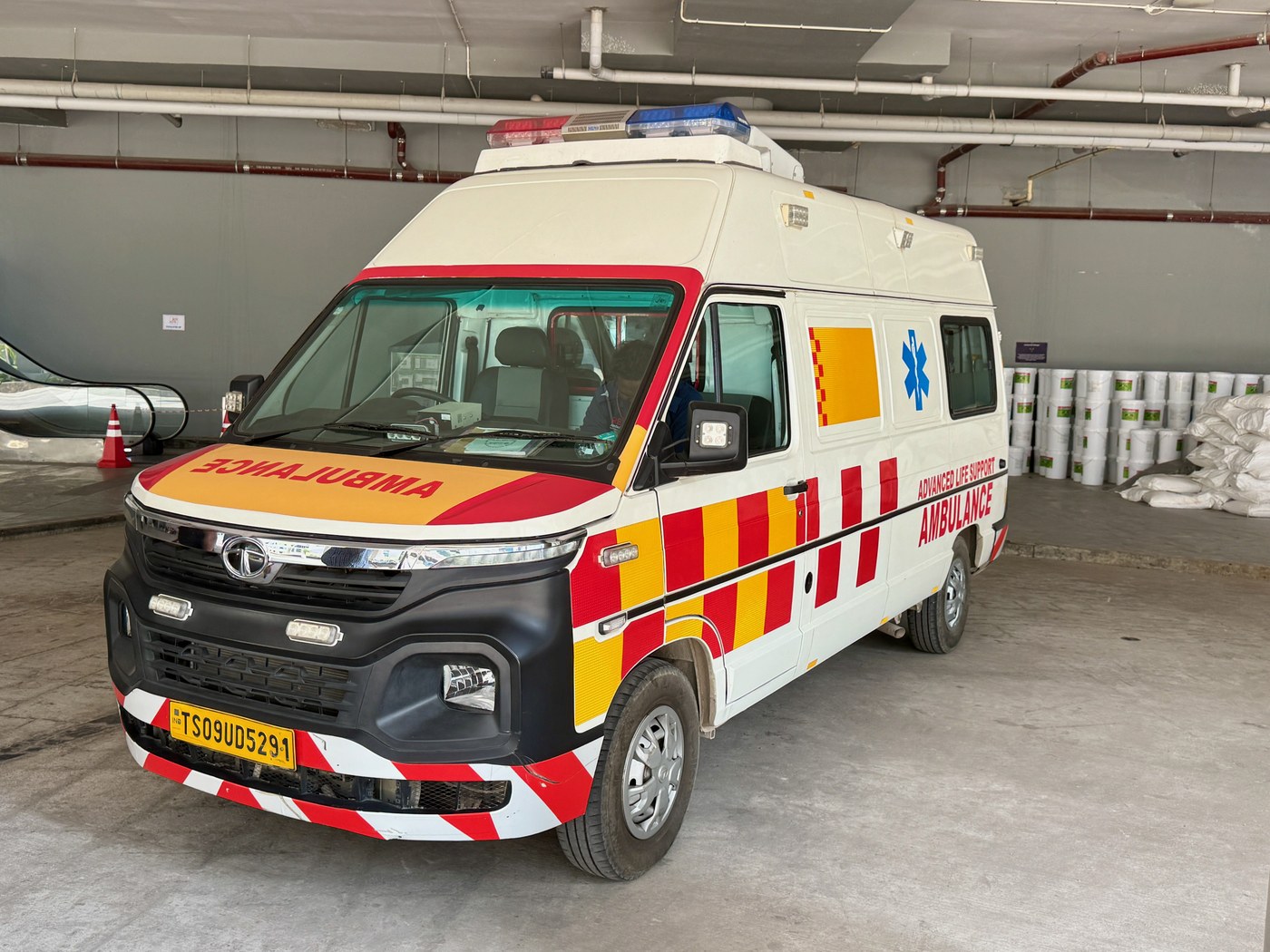
Ambulance & Assisted Patient Transportation
Safe, coordinated patient transportation for hospital admissions, post-treatment discharges, diagnostic appointments, and inter-facility transfers. Dial our transportation desk to verify current vehicle availability and coordinate travel requirements.
* Direct telephone coordination with our transportation desk. Calling does not automatically dispatch a vehicle online.
Responsible Healthcare Advisory: Acute Emergencies vs. Scheduled Patient Transport
If a person is experiencing a sudden, life-threatening medical emergency—such as severe unremitting chest pain, sudden loss of consciousness, acute respiratory failure, severe uncontrolled bleeding, or signs of acute stroke (facial drooping, arm weakness, slurred speech)—please immediately dial statutory emergency services (such as 108 or 112 in India) for priority emergency dispatch. Arovia's transportation service specializes in planned, assisted, and non-emergency medical transfers where vehicle availability is confirmed by telephone before dispatch.
Situations Requiring Assisted Patient Transportation
Standard passenger cars and commercial taxis are rarely equipped to safely transport patients with restricted physical mobility, spinal fragility, surgical drains, or IV lines. Coordinated ambulance transport provides the necessary vehicle layout, stretcher support, and handling care across these key scenarios:
Hospital Admissions & Consultations
Assisted transit from home to hospitals for scheduled surgical admissions, specialized doctor consultations, regular hemodialysis sessions, or radiotherapy visits where patients cannot tolerate seated travel in ordinary cars.
Post-Treatment Hospital Discharges
Dignified, comfortable transit returning home following orthopedic surgery, abdominal procedures, cardiac interventions, or prolonged inpatient recovery. Includes gentle stretcher transfers from hospital bed to the home bedroom.
Inter-Facility & Diagnostic Transfers
Assisted transfers between different medical centers, nursing homes, rehabilitation facilities, or imaging laboratories (such as MRI, CT scan, or PET centers) requiring continuous supine positioning and skilled handling.
Supported Stretcher & Recumbent Transit
Dedicated transportation for individuals who are bed-bound, elderly patients experiencing acute frailty, or patients with hip fractures, casts, or spinal braces who must strictly remain horizontal throughout transit.
Continuous Oxygen & Medical Device Support
Specialized transit for patients requiring continuous supplemental oxygen delivery, portable suction, or medical line maintenance during travel, ensuring clinical stability between residences, diagnostic labs, and medical centers.
Palliative & Compassionate Home Care Transfers
Dignified, gentle patient transit for individuals under palliative care or transitioning from prolonged acute hospitalization back to the comfort and privacy of their family residence, managed with utmost empathy and physical handling care.
Why Arovia Coordinates Transport by Direct Phone Call
Unlike standard ride-hailing apps, medical transportation involves vulnerable individuals with fragile physical needs. Automated online bookings cannot evaluate whether a patient can sit upright, whether stairs must be navigated, or if a stretcher is mandatory.
When you call Arovia, our coordinator speaks directly with you to understand the exact route, patient posture, building accessibility, and timing. This direct interaction ensures you receive realistic availability updates and clear pricing before any vehicle is confirmed.
Key Benefits of Direct Phone Communication
- ✓ Accurate Mobility Assessment: Immediate clarification of whether the patient requires stretcher support, wheelchair transit, or stair assistance.
- ✓ Real-Time Route Availability: Immediate verification of current vehicle availability for your specific pickup location and destination.
- ✓ Building Access Planning: Review of elevators, stairs, narrow hallways, and parking access to avoid unnecessary delays during patient transfer.
- ✓ Clear Upfront Quotation: Transparent discussion of standard distance-based transportation fees before confirming the journey.
Details to Have Ready When Calling Our Transportation Desk
Having the following details at hand when you dial allows our coordinator to quickly assess your requirements, verify vehicle availability, and provide an accurate timeline:
Exact Pickup Location & Building Access
Provide the full street address, apartment or colony name, floor number, whether an elevator is functional and wide enough for a stretcher, and prominent local landmarks. If narrow staircases are involved, inform the coordinator so appropriate transfer assistance can be planned.
Destination Healthcare Facility or Residence
Specify the hospital name, specific wing, block, emergency department, outpatient department, or private residential address where the patient is heading. Knowing the exact receiving point enables the driver to choose optimal gates and parking approaches.
Patient's Physical Condition & Mobility Posture
Describe whether the patient is bedridden, can sit in a supported chair, or must strictly remain supine on a stretcher. Mention if they have active intravenous lines, urinary catheters, surgical drains, supplemental oxygen needs, or orthopedic splints.
Timing & Coordination Preferences
Indicate whether the transfer is requested as soon as a vehicle can be scheduled, or if you are coordinating in advance for a planned hospital discharge timing, scheduled dialysis slot, or clinical appointment.
Practical Guidance While Waiting for Transport Assistance
Taking a few simple preparation steps before the transport vehicle arrives ensures a smooth, stress-free transfer for the patient and reduces unnecessary transit delays:
Clear Access Pathways & Corridors
Ensure entryways, hallways, and elevators are well-lit and free of obstacles or loose rugs. Notify building security in advance so gates and stretcher routes remain completely unblocked.
Assemble Medical Records & IDs
Gather the hospital discharge summary, physician notes, photo ID, insurance card, and current medications. Having these readily accessible prevents delays upon arrival at the hospital.
Maintain Patient Rest & Posture
Keep the patient comfortably rested and calm. Avoid offering heavy solid meals or excessive fluids immediately before transit to reduce motion sickness, nausea, or discomfort during travel.
Designate an Escort or Guardian
Appoint one family member or guardian to carry personal valuables, manage medical documents, and ride along. A single dedicated contact ensures seamless communication with coordinators.
Confirming Availability and Applicable Charges
Ambulance availability and transportation fees are calculated based on travel distance, specific pickup and drop route, and any specialized physical handling involved.
How Availability and Rates Are Confirmed
When you call our coordinator, they will evaluate the requested pickup location and destination to verify whether a vehicle is currently free or can be scheduled for your desired time slot. Arovia operates as a direct telephone service and does not guarantee instantaneous availability in all areas at all times without prior phone confirmation.
Applicable transportation fees—including base charges and distance calculations—will be stated clearly and transparently over the phone before you confirm the arrangement. Arovia does not charge online booking fees, convenience surcharges, or automated digital platform fees.
Frequently Asked Questions About Ambulance Services
Answers to common questions about booking patient transport, emergency distinctions, vehicle handling, and trip arrangements.
When should I call statutory emergency services (108/112) versus calling Arovia?
Call statutory emergency services (such as 108 or 112) immediately in life-threatening medical crises, including suspected heart attacks, severe sudden breathing difficulty, major accidents, severe trauma, or unconsciousness, where emergency dispatch is essential. Call Arovia for coordinated medical transport, planned hospital admissions, post-surgical discharges, and inter-facility patient transfers.
What information should I have ready when calling to inquire?
Have the exact pickup address (with apartment details, floor, and elevator status), destination facility or residence, the patient's mobility state (stretcher/recumbent vs seated), any medical equipment accompanying them, and your preferred timing. This allows our coordinator to give you accurate availability and pricing.
Can a family member accompany the patient in the ambulance?
Yes. Typically, an accompanying family member or guardian travels alongside the patient to manage medical documents, communicate with hospital staff, and provide emotional support throughout the journey.
Can I schedule transportation in advance for a planned hospital discharge?
Yes. Advance coordination is encouraged for planned hospital discharges, scheduled dialysis appointments, or specialist consultations. Calling ahead allows our coordinator to plan vehicle scheduling around your anticipated discharge time.
How are transportation charges determined?
Transportation charges depend on total travel distance, the pickup and destination points, and patient handling requirements. All applicable rates are quoted directly and transparently over the telephone before you confirm the journey. There are no online booking or surprise platform fees.
Does calling Arovia guarantee immediate vehicle availability?
Calling connects you directly with our coordinator to check current vehicle status in your area. Availability depends on active routes and schedules at the time of your call, which is why immediate verbal confirmation over the telephone is required.
Contact Arovia to Inquire About Ambulance Availability
Speak directly with our transportation coordinator to verify vehicle availability, discuss patient travel requirements, and receive a transparent rate quotation for your route.